



[SN 8642] USED MAESTRO / 1970 Echoplex EP-2 [04]
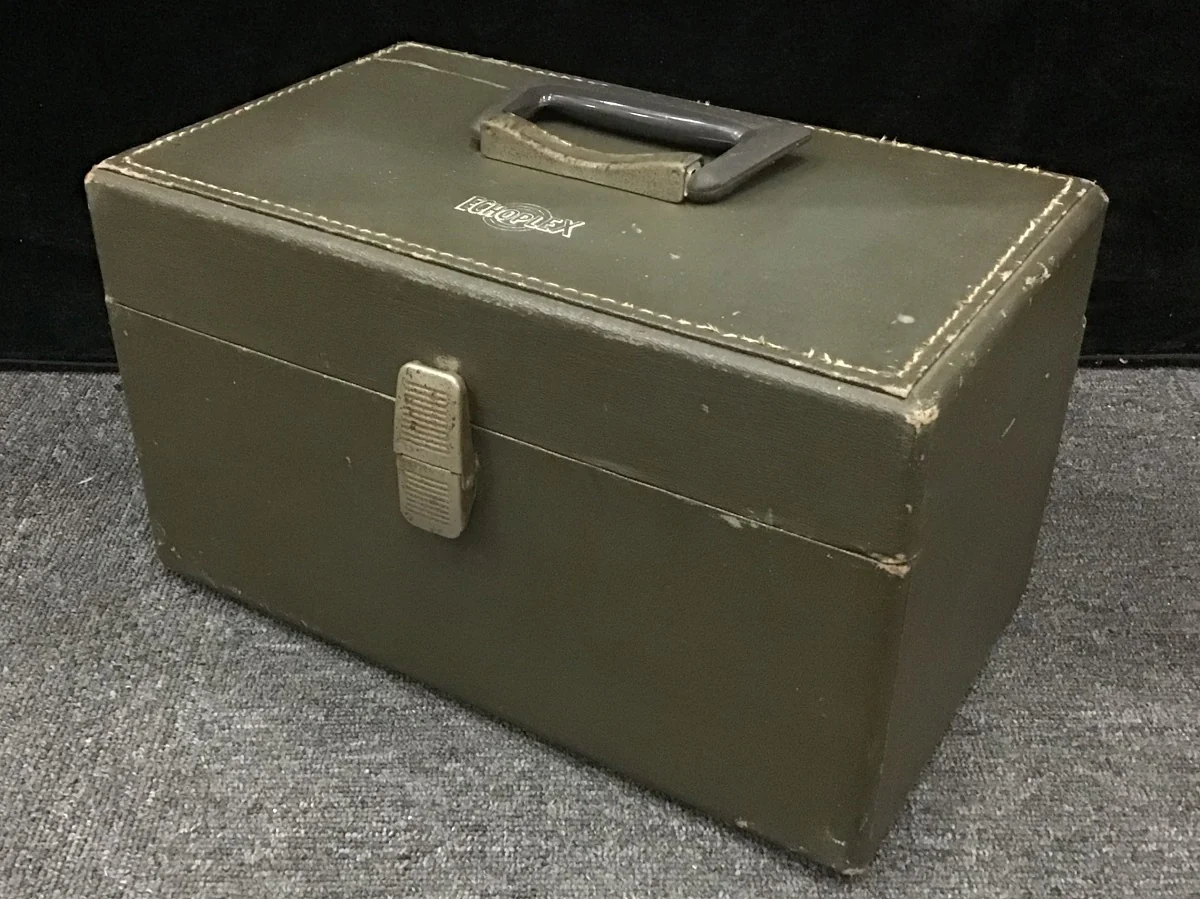
1970 Maestro Echoplex EP-2
Founded in the United States in 1935, Maestro became a subsidiary of Chicago Musical Instruments (hereinafter: CMI) in the early 1950s and released a vacuum tube amplifier for accordions in 1955. CMI was also the parent company of Gibson, and the two brands went on to develop a close relationship.
From the 1950s through the early 1960s, the company primarily manufactured guitar amplifiers, releasing models such as the Gibson GA series under the Maestro brand as well.
In 1959, CMI began producing the EchoPlex, developed by Market Electronics, and chose Maestro as the brand for its sales.Maestro released the tube-driven [EP-1] and [EP-2] models in the 1960s, followed by their transistor-based successors, the [EP-3] and [EP-4], in the 1970s. It was this EchoPlex that played a pivotal role in elevating the Maestro brand.
This unit is a later-model, 1970 “EP-2”—a vacuum tube-driven version and an improved model of the “EP-1.”
Controls include PLAY BACK, a footswitch jack for ECHO ON/OFF, ECHO REPEATS, RECRD LEVEL, VOLUME, ECHO, a SOUND ON SOUND switch, an INPUT jack, and SPEED OF ECHO DELAY.
The transformer date is “AM-3866 1-71,” and the pot dates are “1377041 (VOL),” “1377041 (ECHO),” and “1377041 (REC LEV.),” indicating that CTS pots manufactured in 1970 were used.
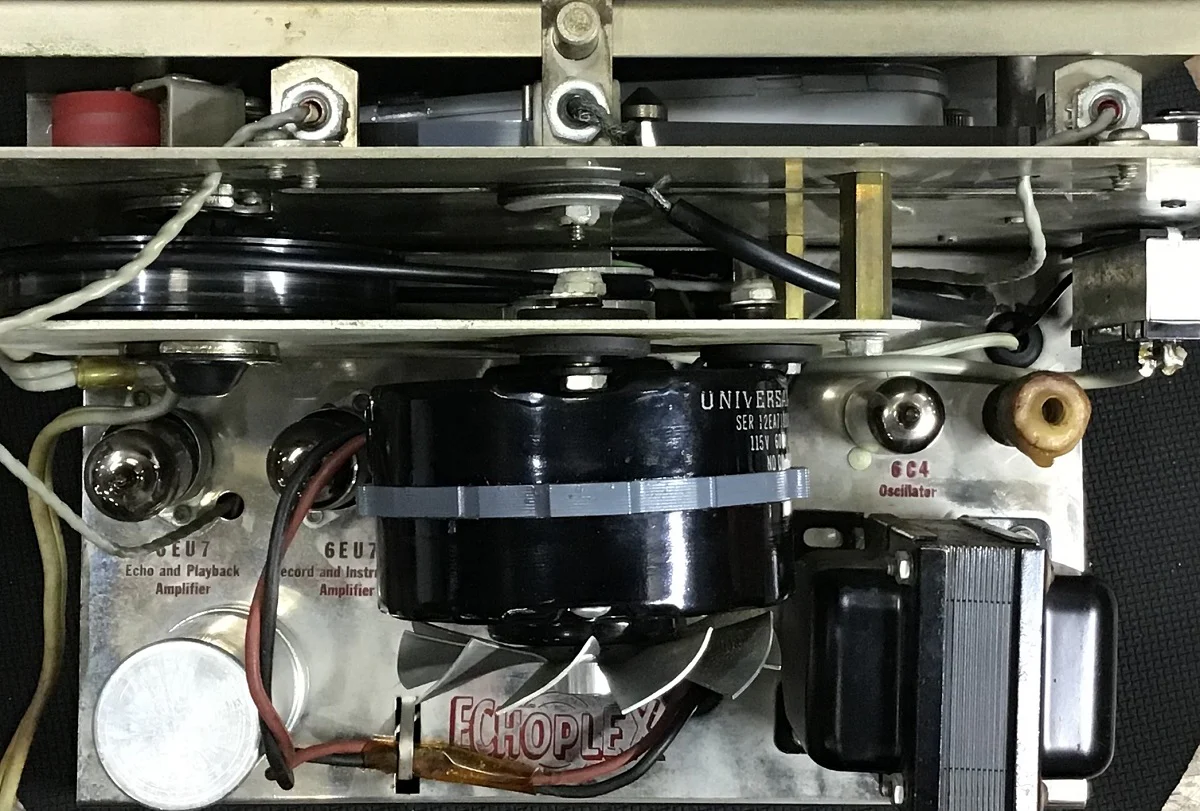
The vacuum tubes used are “6EU7” for the ECHO AND PLAYBACK AMPLIFIER and REC AND INSTRUMENTS AMPLIFIER, and “6C4” for the OSCILLATOR.
At our repair center, we replaced the output jack due to an internal break, replaced the motor’s rubber belt due to a break, replaced the pinch roller due to deterioration, replaced defective capacitors, removed the GND capacitor, performed a thorough cleaning, conducted a PSE dielectric strength test, and inspected all components. The unit is now fully functional and ready for use.
This model is famous for being used by artists such as Jimmy Page and Van Halen. It truly lives up to the description “it gets fatter just by running the signal through it”—its one-of-a-kind buffer/saturation is outstanding, and the echo features a sweet, familiar sound with an exquisite decay that can only be experienced on the actual unit.
S/N: 8642
Included: Footswitch
* Due to the nature of musical instruments, we cannot transfer this item to other Ishibashi Music stores. Please direct any inquiries to Finest Guitars.
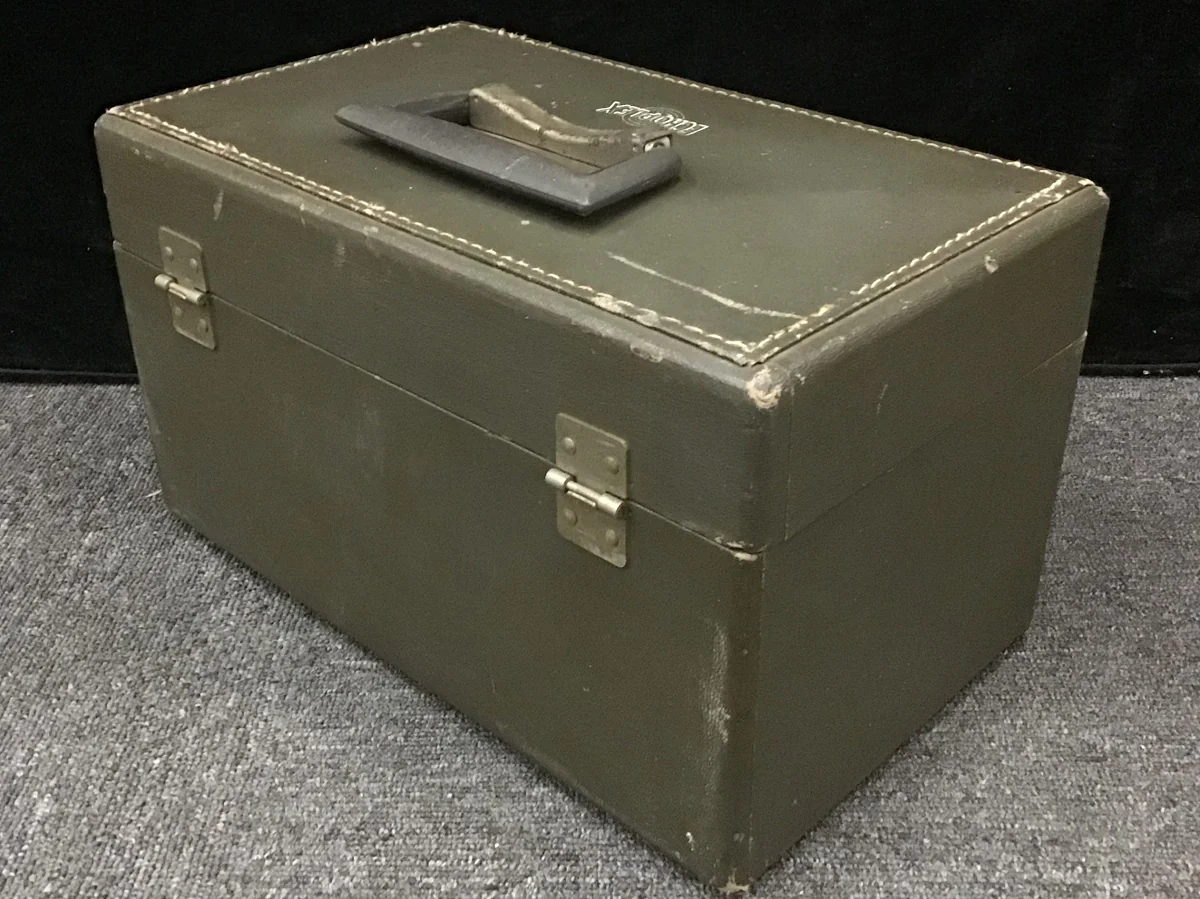
Condition: B+: Some minor scratches, but in good working condition for normal use
Serial Number: 8642
Accessories: Foot switch
* As this is a used item, there may be scratches, dents, or other imperfections that are not clearly visible in the photos or not listed here. Please be aware of this in advance.
* This is a one-of-a-kind item, and it is listed simultaneously on multiple platforms, including our in-store display. We strive to remove product listings promptly upon sale, but updates may not always be in real time.
We sincerely apologize in advance if the item happens to be sold out after you place your order.
Founded in the United States in 1935, Maestro became a subsidiary of Chicago Musical Instruments (hereinafter: CMI) in the early 1950s and released a vacuum tube amplifier for accordions in 1955. CMI was also the parent company of Gibson, and the two brands went on to develop a close relationship.
From the 1950s through the early 1960s, the company primarily manufactured guitar amplifiers, releasing models such as the Gibson GA series under the Maestro brand as well.
In 1959, CMI began producing the EchoPlex, developed by Market Electronics, and chose Maestro as the brand for its sales.Maestro released the tube-driven [EP-1] and [EP-2] models in the 1960s, followed by their transistor-based successors, the [EP-3] and [EP-4], in the 1970s. It was this EchoPlex that played a pivotal role in elevating the Maestro brand.
This unit is a later-model, 1970 “EP-2”—a vacuum tube-driven version and an improved model of the “EP-1.”
Controls include PLAY BACK, a footswitch jack for ECHO ON/OFF, ECHO REPEATS, RECRD LEVEL, VOLUME, ECHO, a SOUND ON SOUND switch, an INPUT jack, and SPEED OF ECHO DELAY.
The transformer date is “AM-3866 1-71,” and the pot dates are “1377041 (VOL),” “1377041 (ECHO),” and “1377041 (REC LEV.),” indicating that CTS pots manufactured in 1970 were used.
The vacuum tubes used are “6EU7” for the ECHO AND PLAYBACK AMPLIFIER and REC AND INSTRUMENTS AMPLIFIER, and “6C4” for the OSCILLATOR.
At our repair center, we replaced the output jack due to an internal break, replaced the motor’s rubber belt due to a break, replaced the pinch roller due to deterioration, replaced defective capacitors, removed the GND capacitor, performed a thorough cleaning, conducted a PSE dielectric strength test, and inspected all components. The unit is now fully functional and ready for use.
This model is famous for being used by artists such as Jimmy Page and Van Halen. It truly lives up to the description “it gets fatter just by running the signal through it”—its one-of-a-kind buffer/saturation is outstanding, and the echo features a sweet, familiar sound with an exquisite decay that can only be experienced on the actual unit.
S/N: 8642
Included: Footswitch
* Due to the nature of musical instruments, we cannot transfer this item to other Ishibashi Music stores. Please direct any inquiries to Finest Guitars.
Condition: B+: Some minor scratches, but in good working condition for normal use
Serial Number: 8642
Accessories: Foot switch
* As this is a used item, there may be scratches, dents, or other imperfections that are not clearly visible in the photos or not listed here. Please be aware of this in advance.
* This is a one-of-a-kind item, and it is listed simultaneously on multiple platforms, including our in-store display. We strive to remove product listings promptly upon sale, but updates may not always be in real time.
We sincerely apologize in advance if the item happens to be sold out after you place your order.
$4.06
Original: $11.59
-65%[SN 8642] USED MAESTRO / 1970 Echoplex EP-2 [04]—
$11.59
$4.06Product Information
Product Information
Shipping & Returns
Shipping & Returns
Description
1970 Maestro Echoplex EP-2
Founded in the United States in 1935, Maestro became a subsidiary of Chicago Musical Instruments (hereinafter: CMI) in the early 1950s and released a vacuum tube amplifier for accordions in 1955. CMI was also the parent company of Gibson, and the two brands went on to develop a close relationship.
From the 1950s through the early 1960s, the company primarily manufactured guitar amplifiers, releasing models such as the Gibson GA series under the Maestro brand as well.
In 1959, CMI began producing the EchoPlex, developed by Market Electronics, and chose Maestro as the brand for its sales.Maestro released the tube-driven [EP-1] and [EP-2] models in the 1960s, followed by their transistor-based successors, the [EP-3] and [EP-4], in the 1970s. It was this EchoPlex that played a pivotal role in elevating the Maestro brand.
This unit is a later-model, 1970 “EP-2”—a vacuum tube-driven version and an improved model of the “EP-1.”
Controls include PLAY BACK, a footswitch jack for ECHO ON/OFF, ECHO REPEATS, RECRD LEVEL, VOLUME, ECHO, a SOUND ON SOUND switch, an INPUT jack, and SPEED OF ECHO DELAY.
The transformer date is “AM-3866 1-71,” and the pot dates are “1377041 (VOL),” “1377041 (ECHO),” and “1377041 (REC LEV.),” indicating that CTS pots manufactured in 1970 were used.
The vacuum tubes used are “6EU7” for the ECHO AND PLAYBACK AMPLIFIER and REC AND INSTRUMENTS AMPLIFIER, and “6C4” for the OSCILLATOR.
At our repair center, we replaced the output jack due to an internal break, replaced the motor’s rubber belt due to a break, replaced the pinch roller due to deterioration, replaced defective capacitors, removed the GND capacitor, performed a thorough cleaning, conducted a PSE dielectric strength test, and inspected all components. The unit is now fully functional and ready for use.
This model is famous for being used by artists such as Jimmy Page and Van Halen. It truly lives up to the description “it gets fatter just by running the signal through it”—its one-of-a-kind buffer/saturation is outstanding, and the echo features a sweet, familiar sound with an exquisite decay that can only be experienced on the actual unit.
S/N: 8642
Included: Footswitch
* Due to the nature of musical instruments, we cannot transfer this item to other Ishibashi Music stores. Please direct any inquiries to Finest Guitars.
Condition: B+: Some minor scratches, but in good working condition for normal use
Serial Number: 8642
Accessories: Foot switch
* As this is a used item, there may be scratches, dents, or other imperfections that are not clearly visible in the photos or not listed here. Please be aware of this in advance.
* This is a one-of-a-kind item, and it is listed simultaneously on multiple platforms, including our in-store display. We strive to remove product listings promptly upon sale, but updates may not always be in real time.
We sincerely apologize in advance if the item happens to be sold out after you place your order.
Founded in the United States in 1935, Maestro became a subsidiary of Chicago Musical Instruments (hereinafter: CMI) in the early 1950s and released a vacuum tube amplifier for accordions in 1955. CMI was also the parent company of Gibson, and the two brands went on to develop a close relationship.
From the 1950s through the early 1960s, the company primarily manufactured guitar amplifiers, releasing models such as the Gibson GA series under the Maestro brand as well.
In 1959, CMI began producing the EchoPlex, developed by Market Electronics, and chose Maestro as the brand for its sales.Maestro released the tube-driven [EP-1] and [EP-2] models in the 1960s, followed by their transistor-based successors, the [EP-3] and [EP-4], in the 1970s. It was this EchoPlex that played a pivotal role in elevating the Maestro brand.
This unit is a later-model, 1970 “EP-2”—a vacuum tube-driven version and an improved model of the “EP-1.”
Controls include PLAY BACK, a footswitch jack for ECHO ON/OFF, ECHO REPEATS, RECRD LEVEL, VOLUME, ECHO, a SOUND ON SOUND switch, an INPUT jack, and SPEED OF ECHO DELAY.
The transformer date is “AM-3866 1-71,” and the pot dates are “1377041 (VOL),” “1377041 (ECHO),” and “1377041 (REC LEV.),” indicating that CTS pots manufactured in 1970 were used.
The vacuum tubes used are “6EU7” for the ECHO AND PLAYBACK AMPLIFIER and REC AND INSTRUMENTS AMPLIFIER, and “6C4” for the OSCILLATOR.
At our repair center, we replaced the output jack due to an internal break, replaced the motor’s rubber belt due to a break, replaced the pinch roller due to deterioration, replaced defective capacitors, removed the GND capacitor, performed a thorough cleaning, conducted a PSE dielectric strength test, and inspected all components. The unit is now fully functional and ready for use.
This model is famous for being used by artists such as Jimmy Page and Van Halen. It truly lives up to the description “it gets fatter just by running the signal through it”—its one-of-a-kind buffer/saturation is outstanding, and the echo features a sweet, familiar sound with an exquisite decay that can only be experienced on the actual unit.
S/N: 8642
Included: Footswitch
* Due to the nature of musical instruments, we cannot transfer this item to other Ishibashi Music stores. Please direct any inquiries to Finest Guitars.
Condition: B+: Some minor scratches, but in good working condition for normal use
Serial Number: 8642
Accessories: Foot switch
* As this is a used item, there may be scratches, dents, or other imperfections that are not clearly visible in the photos or not listed here. Please be aware of this in advance.
* This is a one-of-a-kind item, and it is listed simultaneously on multiple platforms, including our in-store display. We strive to remove product listings promptly upon sale, but updates may not always be in real time.
We sincerely apologize in advance if the item happens to be sold out after you place your order.